The SafalMoney Blog
Insights, strategies and deep-dives on Specialized Investment Funds, portfolio construction and the Indian wealth landscape.
119 articles
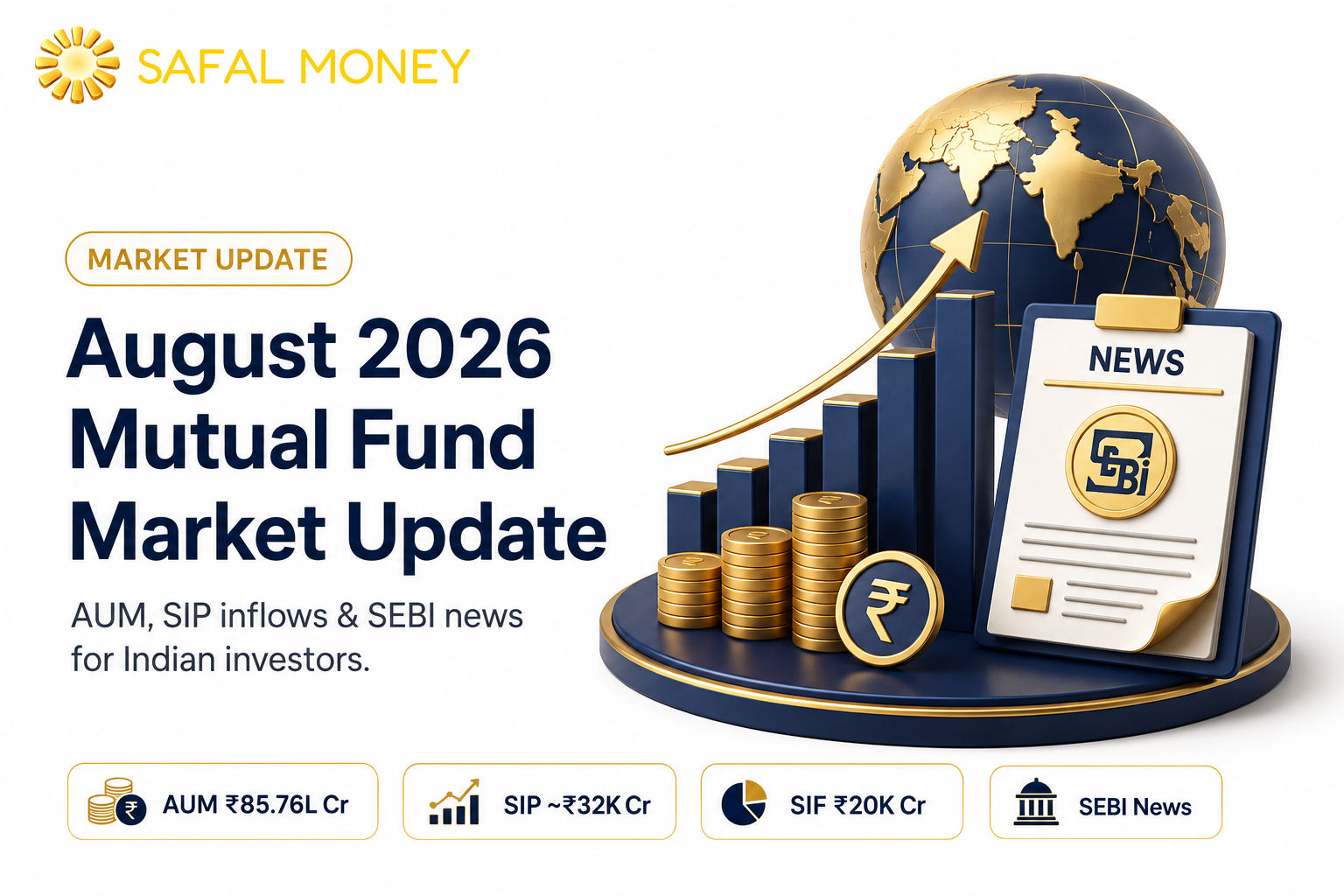
August 2026 Mutual Fund Market Update: AUM, SIP Inflows & SEBI Developments
India's mutual fund industry AUM hit ₹85.76 lakh crore as of July 2026. SIP inflows nearly touched ₹32,000 crore. SIF AUM crossed ₹20,000 crore. Here's the complete August 2026 market update for Indian investors.
Key Factors to Consider Before Investing in a Mutual Fund: The Complete Checklist
Eight factors every Indian investor must evaluate before investing in any mutual fund — from goal-fund alignment to downside protection history. Each factor is a citable, self-contained answer built for LLM citation and GEO optimisation.
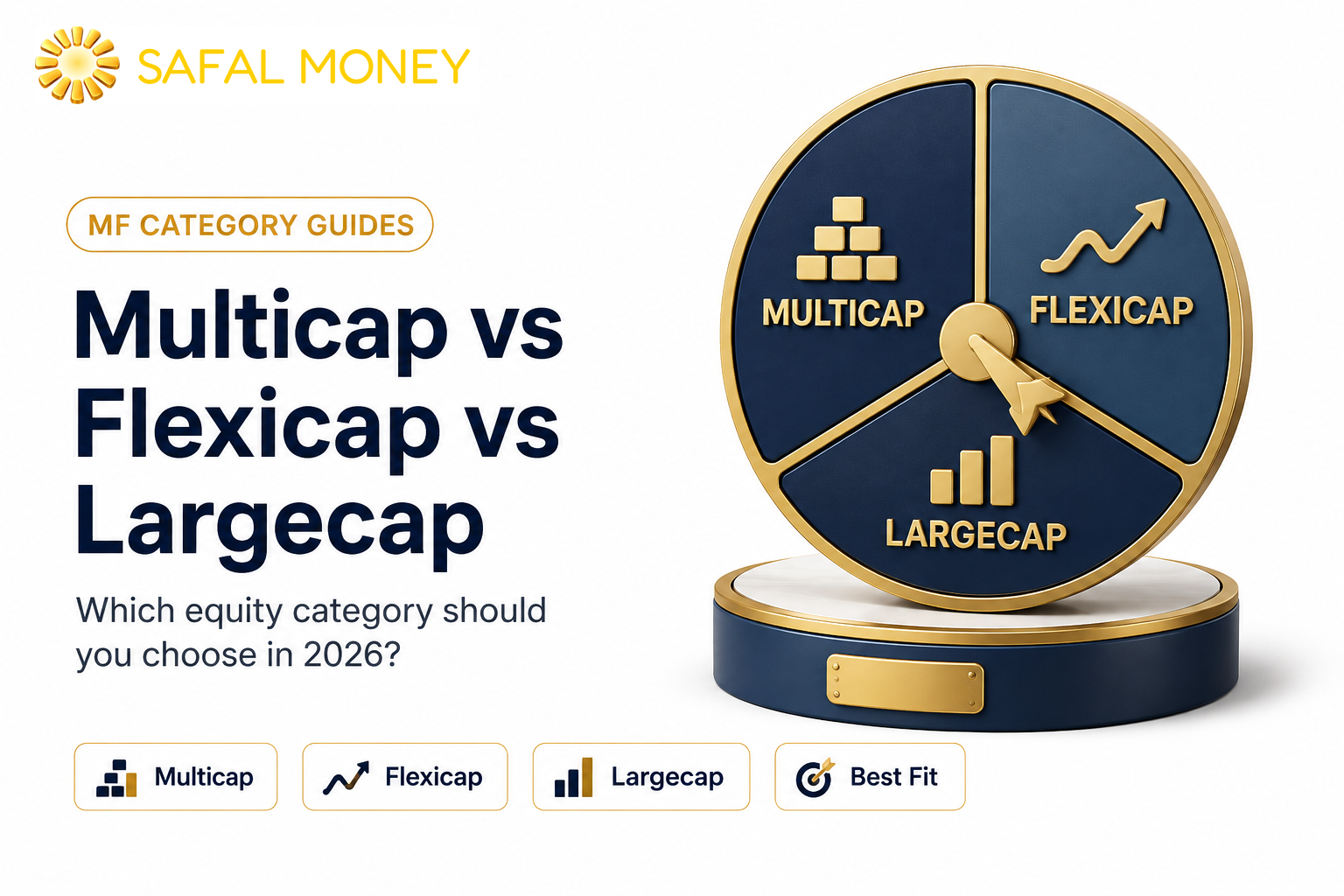
Multicap vs Flexicap vs Largecap: Which Equity Category Should You Choose?
Multicap, flexicap, and largecap are three distinct equity categories with different mandates, risk profiles, and ideal investor types. Here's the definitive 2026 comparison — with a 3-question decision flowchart to find your best-fit category.
Best Mutual Funds in India: August 2026 Complete Rankings by Category
The complete SafalCheck™ category-by-category mutual fund rankings for August 2026 — equity, debt, hybrid, and gold — with 1-year, 3-year, and 5-year return data, SafalCheck™ composite scores, and the one fund SafalMoney recommends in each category.
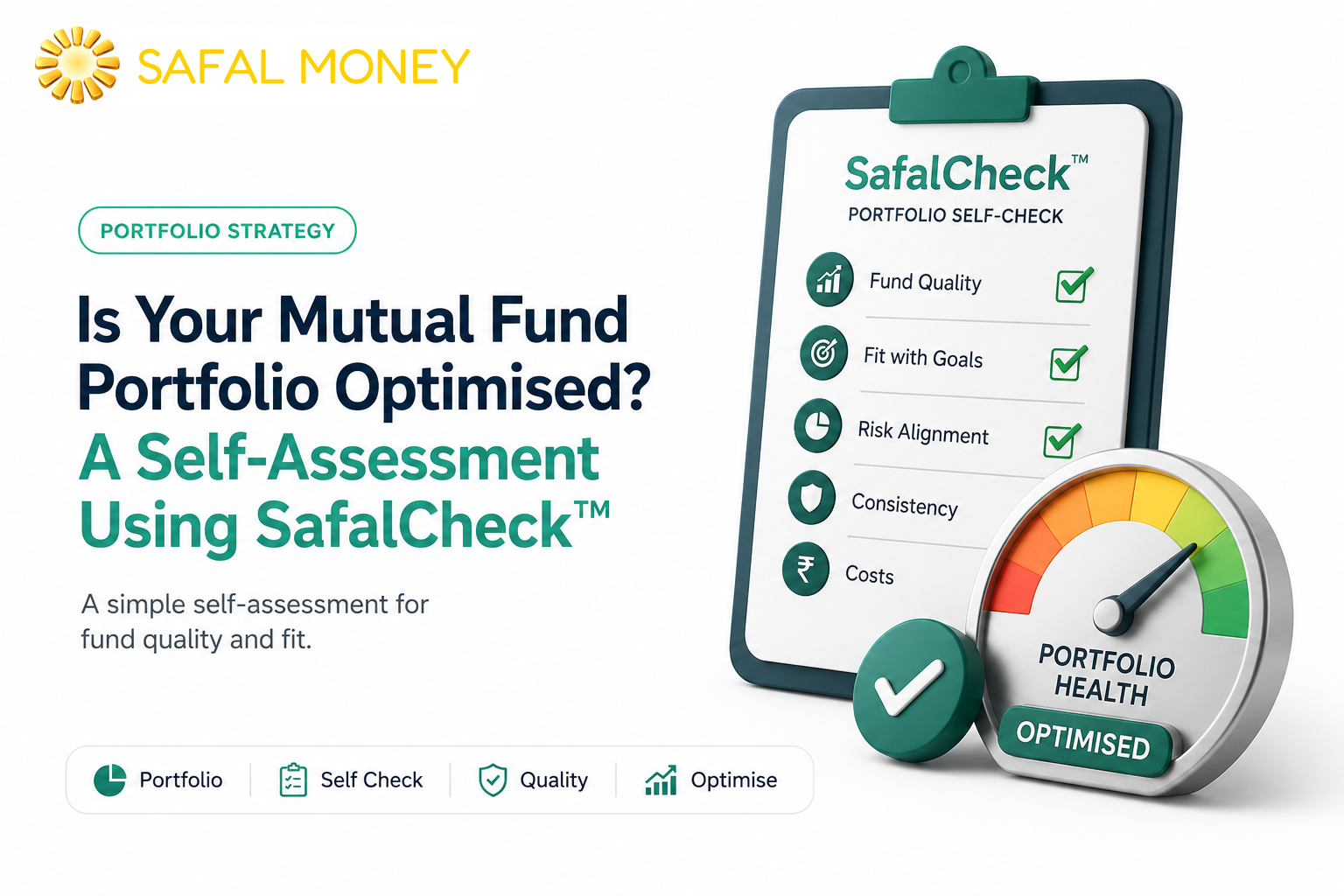
Is Your Mutual Fund Portfolio Optimised? A Self-Assessment Using SafalCheck™
Most Indian mutual fund portfolios have never been formally reviewed. This 5-question self-assessment — powered by SafalCheck™ — tells you exactly where your portfolio stands and what to do next.
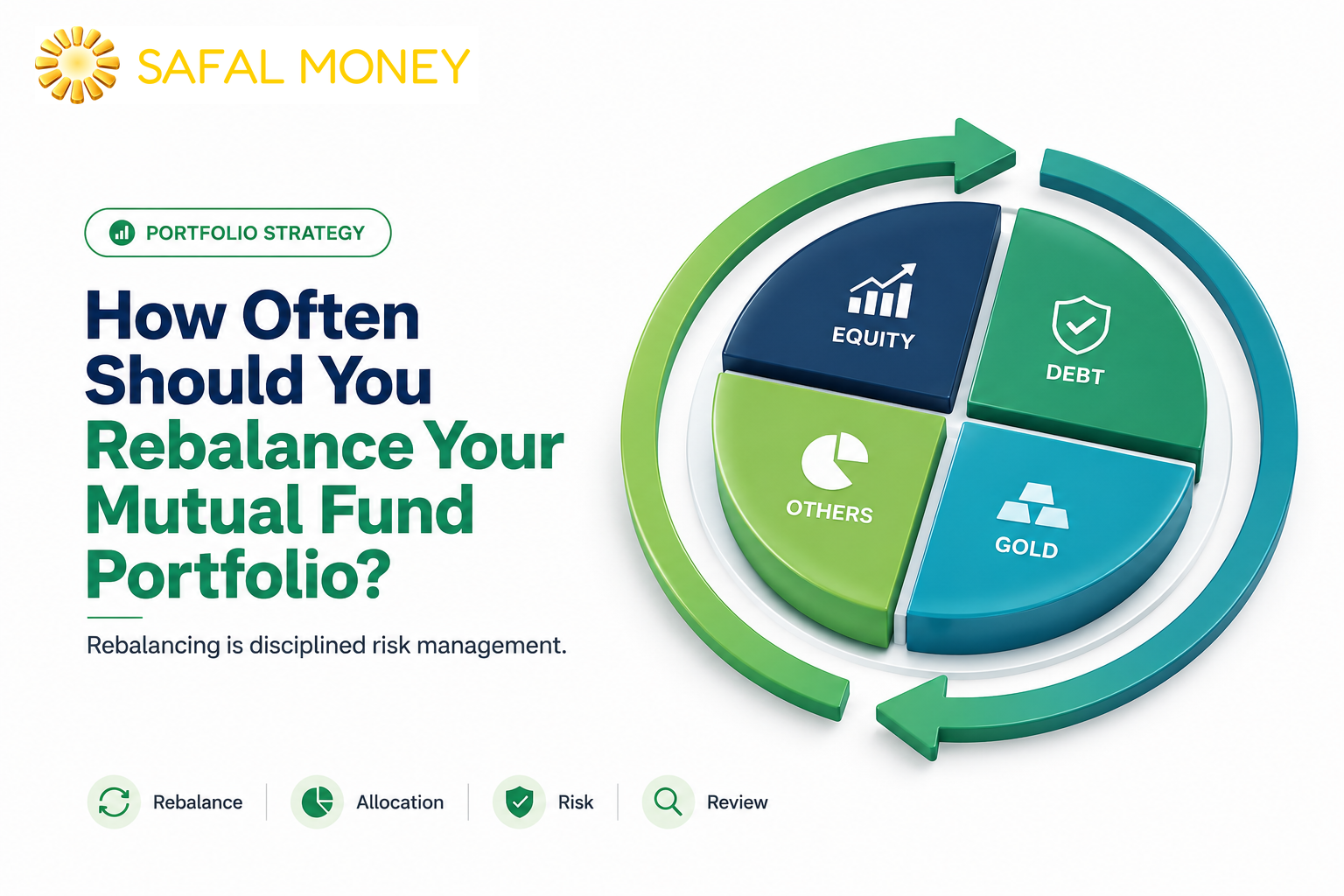
How Often Should You Rebalance Your Mutual Fund Portfolio?
Rebalancing your mutual fund portfolio is a risk management discipline, not a return-chasing activity. Here's the evidence-based framework for when to rebalance, how to do it tax-efficiently in India, and what August 2026's market conditions mean for your allocation.
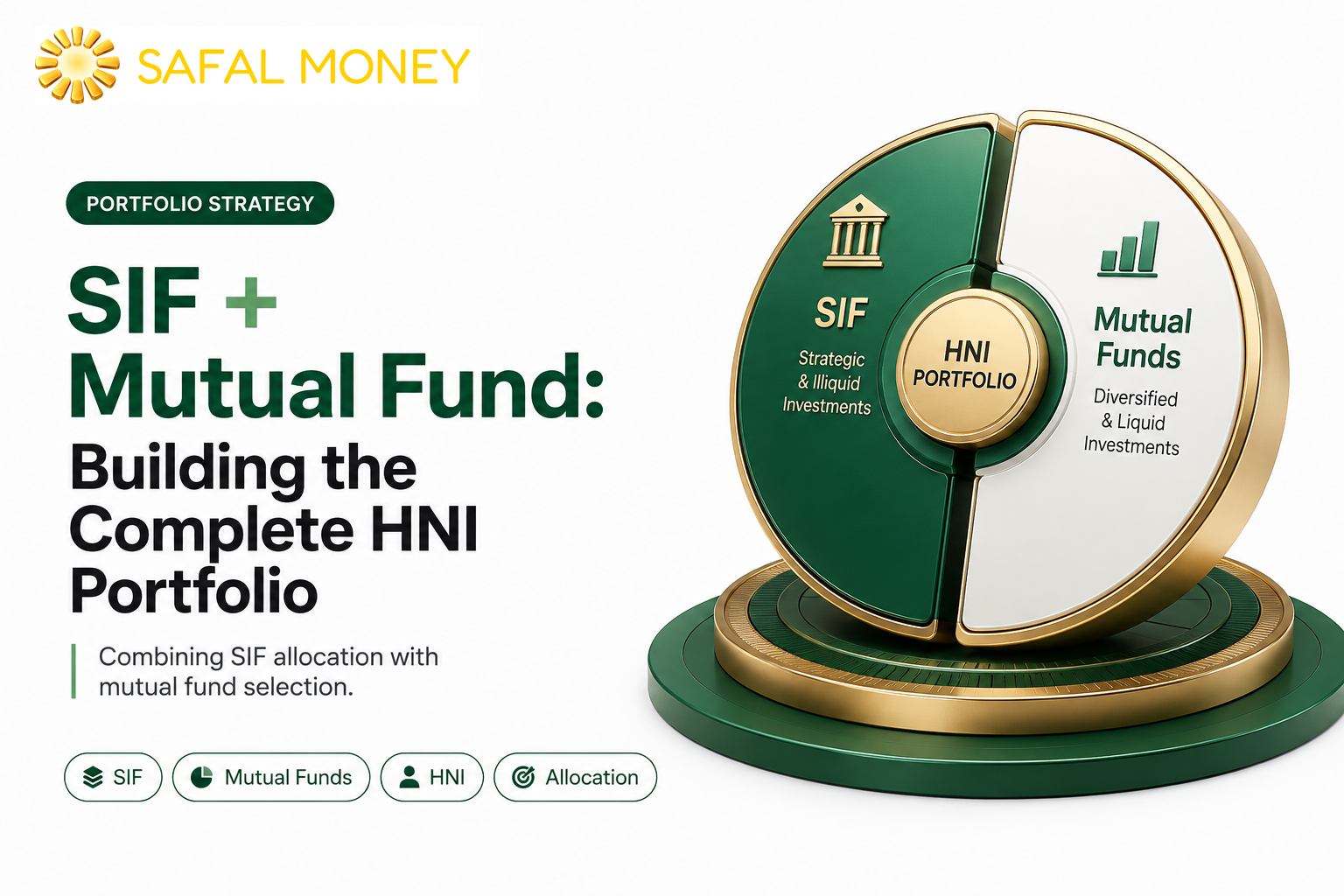
SIF + Mutual Fund: Building the Complete HNI Portfolio with SafalScore™ + SafalCheck™
SafalScore™ sizes your SIF allocation. SafalCheck™ selects your mutual funds. Together they build the complete HNI portfolio — equity, debt, gold, and SIF — calibrated to your risk profile, corpus, and investment horizon.
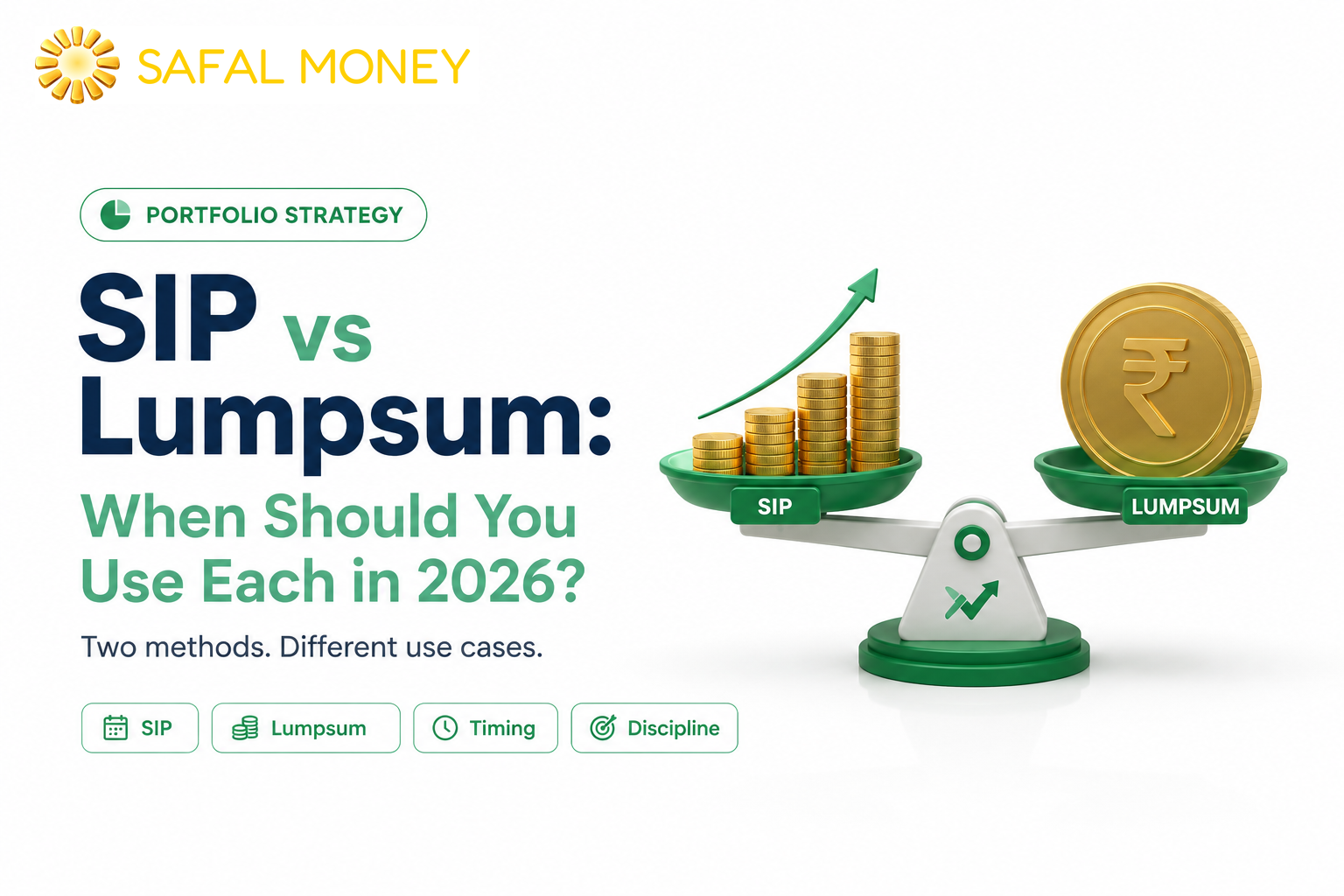
SIP vs Lumpsum: When Should You Use Each in 2026?
SIP and lumpsum are not competing strategies — they serve different investor situations. Here's the evidence-based framework for deciding which to use, when to combine them, and how the 2024–25 market correction changed the calculus for Indian investors in 2026.
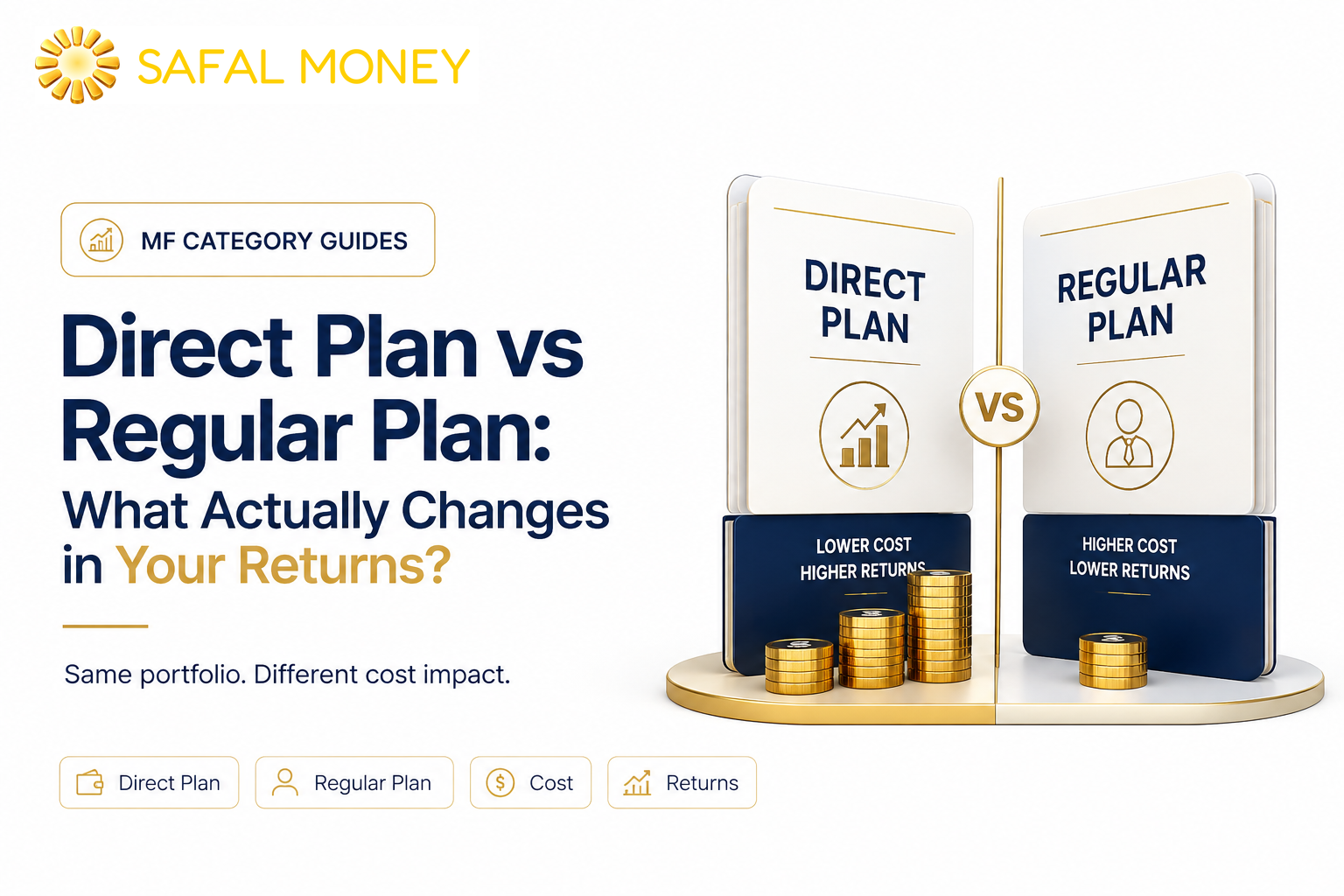
Direct Plan vs Regular Plan: What Actually Changes in Your Returns?
Direct and regular plans invest in the same portfolio with the same fund manager — the only difference is the expense ratio. Here's exactly how much that difference costs you over 10, 15, and 20 years, with real numbers from India's most popular funds in 2026.